1
Rodent-Contaminated Attic Insulation
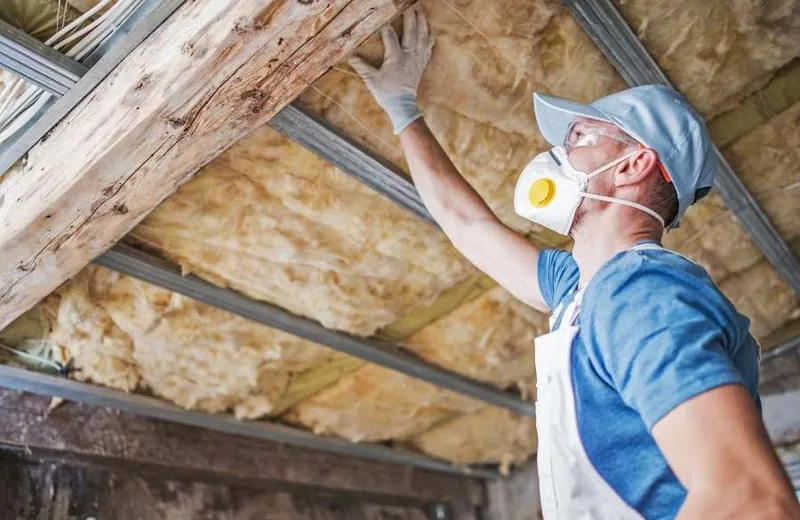
Serious Roof rats tunnel through attic insulation, nest in it, and leave droppings and urine behind. Damaged insulation loses its R-value, and contaminated material can carry pathogens and odors that work their way into living spaces through ceiling gaps and leaky ducts.
Why it happens here Signal Hill and the Long Beach neighborhoods around it have mature palms, fruit trees and dense landscaping, which roof rats love. Older homes have gaps at roof vents, eaves and plumbing penetrations that rats can easily squeeze through. Once they're in, the soft fiberglass or rock wool in the attic is perfect nesting material. Because attics here stay dry for long stretches, droppings build up for years before anyone notices. That's why so many local jobs are removal and sanitizing rather than adding a new layer on top.
Signs to watch for - Scratching or scurrying overhead at night
- Musty or ammonia-like odor in upstairs rooms
- Droppings visible near the attic hatch
- Tunnels and flattened trails through insulation
- Chewed wiring or duct jackets
- Rising allergy complaints indoors
Local patterns We see this most in Crescent Heights bungalows and in California Heights and Bixby Knolls homes under tall palms. Activity usually shows up in late fall, when rats move indoors, and in older stucco cottages along the Spring Street corridor.
Our fix Full vacuum removal, sanitizing and deodorizing, sealing entry points, then new blown-in insulation brought up to R-30 or higher.
2
Missing or Severely Settled Attic Insulation
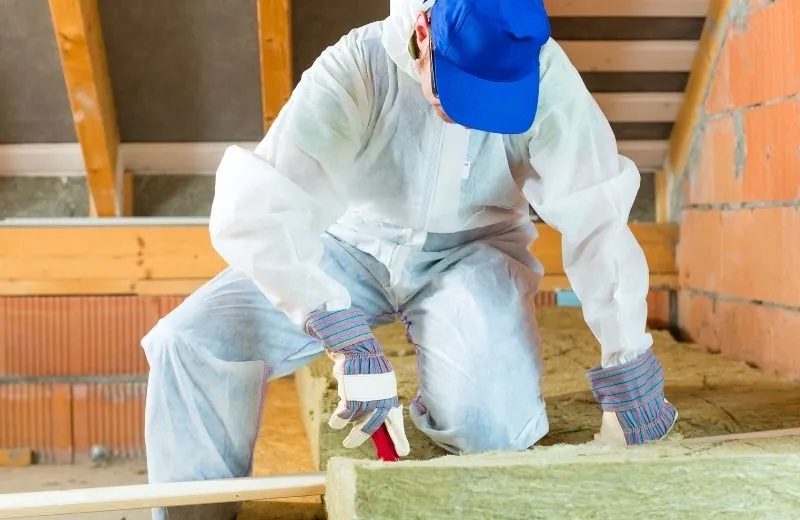
Moderate Many attics have only a few inches of old batts, rock wool or loose-fill, often R-11 or less, compared with the roughly R-30 Title 24 expects in Climate Zone 6. Heat moves straight through to the ceilings below.
Why it happens here Most of Signal Hill's homes were built long before modern energy codes. Bungalows from the 1920s often went up with no attic insulation at all. Batts in 1970s–80s condos have compressed over forty years of hot summers. Since the climate is mild most of the year, owners rarely notice until a September heat wave turns the upstairs into an oven. Without central AC, there's nothing else between the 130°F attic and your bedroom.
Signs to watch for - Upstairs or back rooms 8–15°F warmer than the rest of the house
- Ceiling joists visible above the insulation
- Ceilings warm to the touch on hot afternoons
- AC runs constantly in September
- Rising summer SCE bills
- Insulation depth under 6 inches
Local patterns This is very common in 1930s–1950s single-story cottages near Signal Hill Town Center and in condos near Temple Avenue. West- and south-facing rooms in homes near Panorama Drive take the worst of the heat.
Our fix Air seal top plates and penetrations, then blow in fiberglass or cellulose to R-30–R-38 with baffles at the eaves.
3
Leaky Ductwork in Hot Attics
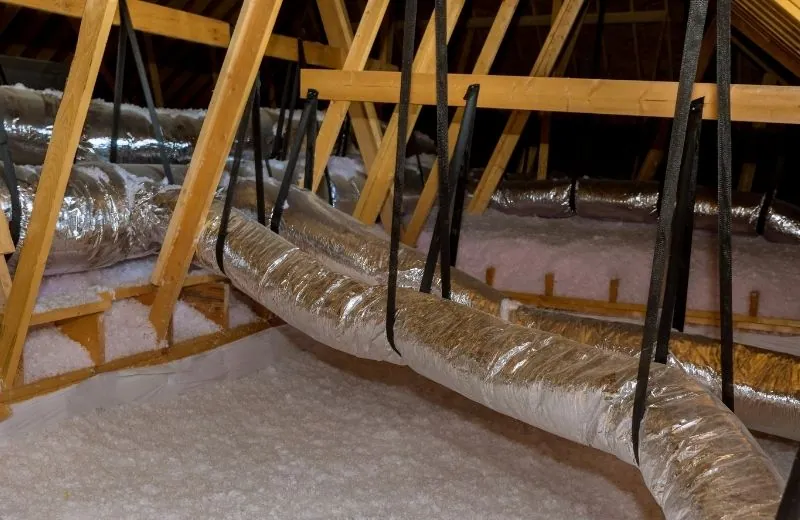
Serious HVAC ducts running through the attic leak conditioned air through loose joints, torn flex duct and failed tape. Ducts with thin insulation also pick up attic heat, so the air arrives warm and the system runs longer.
Why it happens here In Signal Hill, ducts almost always run through the attic, where summer temperatures can top 130°F. Older homes often have ducts wrapped in tape from the asbestos era, and flex duct from the 1980s–90s sags and comes apart. When owners add central AC or a heat pump, they connect new equipment to old ducts, and the attic becomes the weak link. Title 24 can require duct sealing and HERS testing during HVAC changeouts.
Signs to watch for - Weak airflow at far registers
- Dusty rooms despite cleaning
- Rooms that never reach the thermostat setting
- Crushed or disconnected flex duct
- Old cloth or white tape on duct seams
- High bills after a new AC install
Local patterns We find this in newer hilltop homes off Skyline Drive with long duct runs to vaulted rooms. It also shows up in older homes that added central air or heat pumps without upgrading the attic.
Our fix Seal and reinsulate ducts, coordinate with HVAC permits and HERS verification, then insulate the attic floor so the whole system performs.
4
Asbestos or Vermiculite in Older Attics
Emergency Homes built before 1980 may contain vermiculite loose-fill, which can contain asbestos, or asbestos-bearing duct tape and materials. Disturbing them without testing can release dangerous fibers into your home.
Why it happens here A big share of Signal Hill's homes, including Crescent Heights bungalows and postwar stucco cottages, went up during the decades when these materials were in common use. Homeowners planning DIY attic work, or contractors who skip testing, can spread contamination through the whole house. South Coast AQMD Rule 1403 requires proper surveys and removal procedures, so testing has to come before anything else.
Signs to watch for - Gray-brown or gold pebble-like loose-fill
- Lightweight, shiny granular material
- White or gray wrap on old ducts
- Home built before 1980
- Crumbling insulation near the attic hatch
Local patterns This is most likely in 1920s–1950s homes in Crescent Heights, Zaferia and California Heights, and in older homes around Discovery Well Park that haven't been renovated.
Our fix Stop all attic activity, test the suspect material, have certified abatement done if needed under Rule 1403, then install new insulation.
5
Fallen or Damp Crawlspace Insulation
Moderate Underfloor batts in raised-floor homes sag, fall down, or soak up moisture over time. This leaves cold floors in winter and creates conditions for mold, wood rot and pests under the house.
Why it happens here Raised wood floors over vented crawlspaces are standard in older Signal Hill homes. During May Gray and June Gloom, humid, salty marine air moves through those vents, and short winter storms can add standing water. Paper-faced batts absorb that moisture, get heavy and drop. Salt air also corrodes the metal straps and fasteners that were holding them in place.
Signs to watch for - Cold floors in winter mornings
- Batts hanging or lying on the soil
- Musty smell from floor registers
- Rusted wire supports or fasteners
- Visible mold on joists or batts
- Drafts around floor edges
Local patterns We see this often in Crescent Heights Craftsman homes and in older bungalows in Rose Park and Wrigley, especially under kitchens and baths where plumbing adds moisture.
Our fix Remove failed batts, address moisture, and install properly supported underfloor insulation with corrosion-resistant fasteners and air sealing at penetrations.
6
Overheating Vaulted Ceilings and View Rooms
Moderate Vaulted and cathedral ceilings have little space for insulation, and large windows let in a lot of solar heat. The result is hot rooms in the afternoon that a single HVAC zone can't keep up with.
Why it happens here Homes on the summit were designed to show off views of downtown LA, the ports and Catalina. That means big windows, vaulted ceilings and complete sun exposure at around 365 feet. The narrow rafter cavities in those ceilings often hold only R-19 batts or less, and some of it isn't installed well. Afternoon sun, wind exposure and Santa Ana heat make the uneven temperatures worse.
Signs to watch for - Living room 10°F hotter than bedrooms
- Ceiling hot to the touch
- Thermostat fights between floors
- Drafts at recessed lights
- Glare-heated rooms late afternoon
Local patterns This is common in planned developments built since the 1990s on the Hilltop and near Signal Hill Park, especially in rooms facing west toward the ports and the ocean.
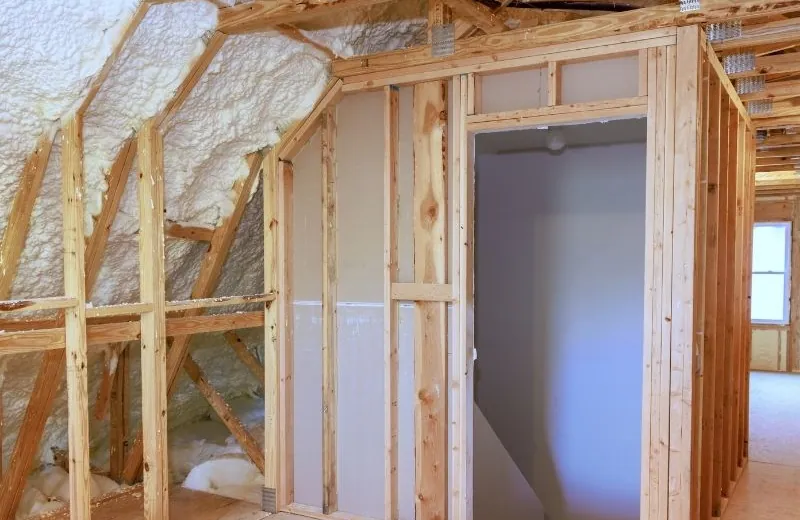
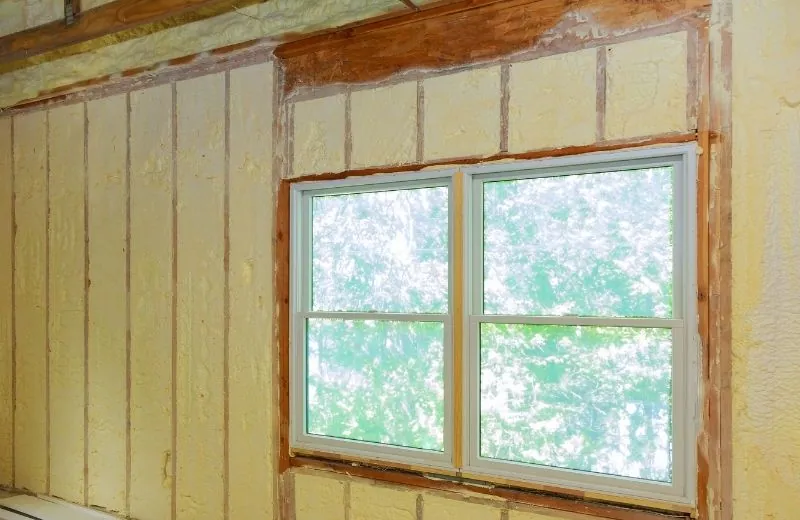
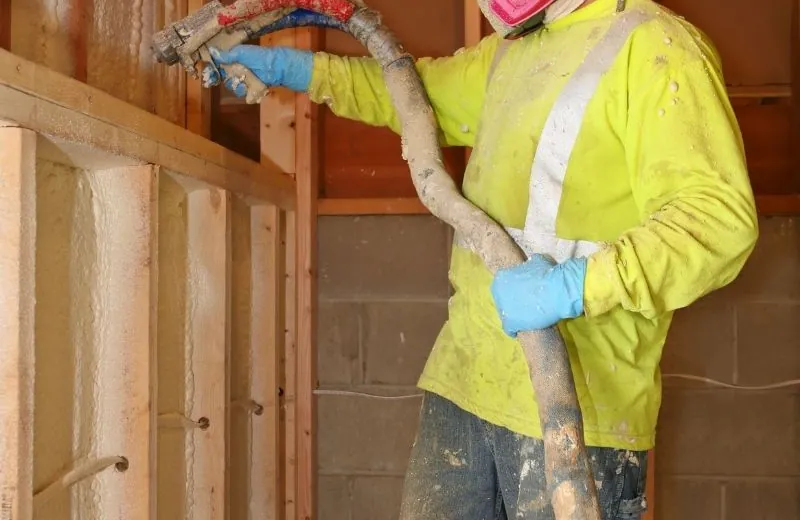
Our fix Closed-cell or open-cell spray foam at the roofline or in rafter cavities, plus air sealing around recessed lights and other ceiling penetrations.
7
Air Leaks at Top Plates and Attic Hatches
Minor Gaps at wall top plates, attic hatches, plumbing chases and light fixtures let attic air and dust into your living space. These leaks cut into the performance of even thick insulation.
Why it happens here Older Signal Hill homes have decades of electrical, plumbing and cable work that left unsealed holes in the ceiling. Fall Santa Ana winds push hot, dusty air through every one of them. Few homes here have ever been air sealed, because the mild climate never made it an obvious priority.
Signs to watch for - Dust streaks around ceiling fixtures
- Dark stains on insulation above leaks
- Drafts at the attic hatch
- Dust buildup after windy days
- Whistling during Santa Ana winds
Local patterns We see this across every era, especially in condos and townhomes near the Cherry Avenue and Willow Street corridor that share attics and have patchy firewall sealing.
Our fix Seal penetrations with foam and fire-rated sealant, then weatherstrip and insulate the attic hatch before topping off the insulation.